FROM VERONICA’S NOTEBOOK
I Took My Emotional Baggage to a Rage Room
I wrote years of guilt and people-pleasing onto dishes and brought them with me to smash. A strange plan for a woman who hates making a mess. Then one small plate made me want to take it all home.
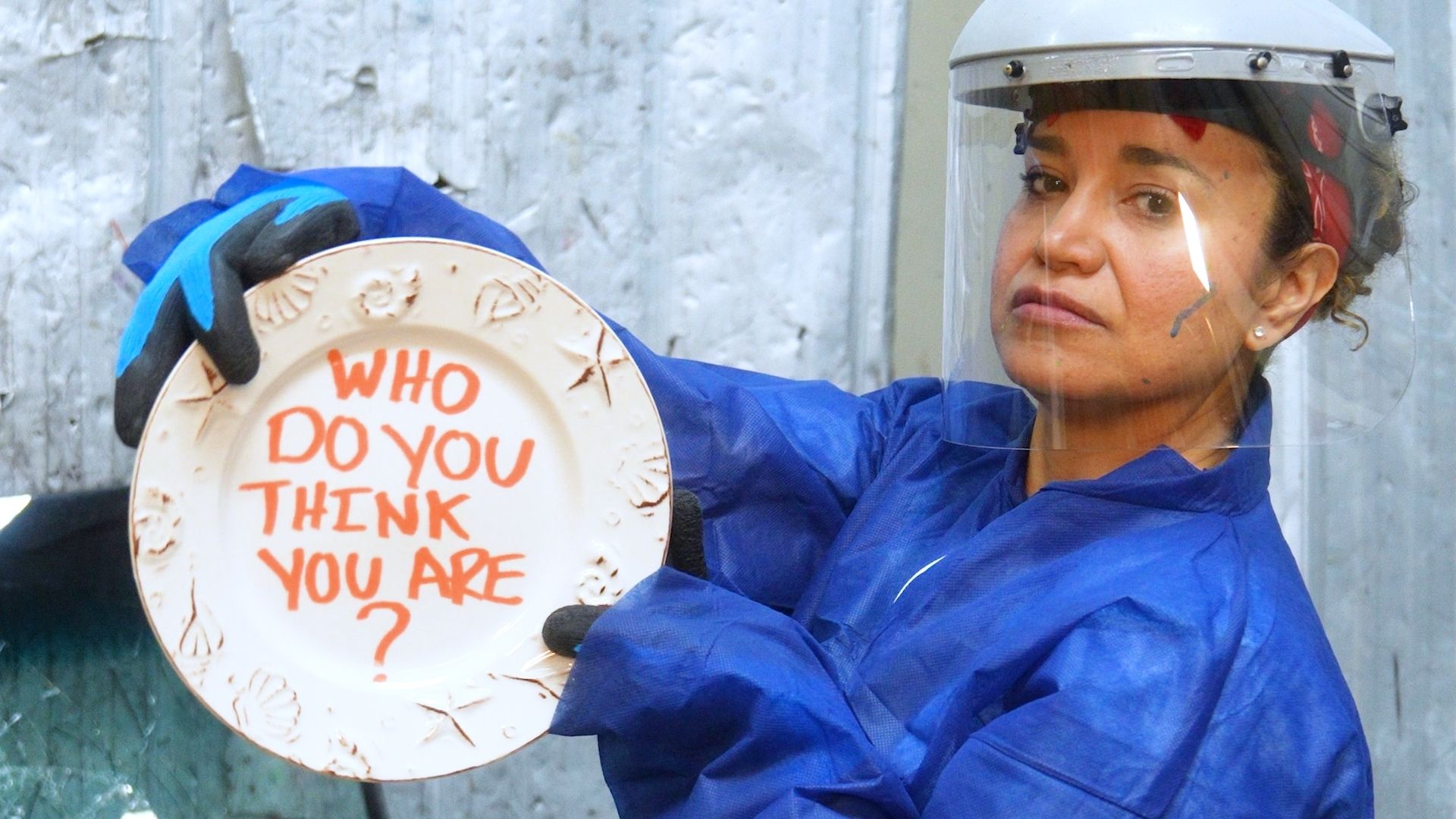
A room full of things I was carrying.
- The plan: write it down, pack it carefully, break it on purpose.
- The surprise: some of the smashing was fun. The paint room was still not for me.
- The small plate: the one I almost took home.
A first try, some very personal dishes, and an answer I was still figuring out in the car.
In this Story
I’m the woman who cleans the hotel room before she checks out. So naturally, I decided to go somewhere that would hand me a bat and expect me to make a mess.
I brought dishes covered in things I wanted to stop carrying: always putting myself last, keeping the peace, staying small. I wanted to look at those words and find out what it felt like to break them. I was curious. I was also already feeling like I was in trouble.
Some things were surprisingly fun to smash. One small plate was so hard to break that I wanted to take it home with me.
Shopping for things to break. Finding more guilt.
The rage room has things you can break, but I wanted to choose my own. I wanted objects that reminded me of what I’d been carrying around. Then I could write on them and bring them with me.
We went to the thrift store, and immediately I started finding things I liked. This was a problem. I was supposed to be choosing things to destroy, and instead I was wondering where they might look nice.
I grew up in Colombia, where you took care of your things. If something broke, you got the superglue. The Pega Loca. You put it back together. You couldn’t just assume you were getting another one. Things had to last, and I still carry that with me, even now that I can afford to buy things for myself.
Then I started thinking about the people who had owned these dishes. Somebody chose them. Maybe somebody gave them as a gift. Maybe they made somebody really happy. I even managed to worry that a container might once have held someone’s ashes and I was about to make a spirit angry with me.
I came here to get rid of some guilt. Somehow I was finding more.
Putting the words where I could see them.
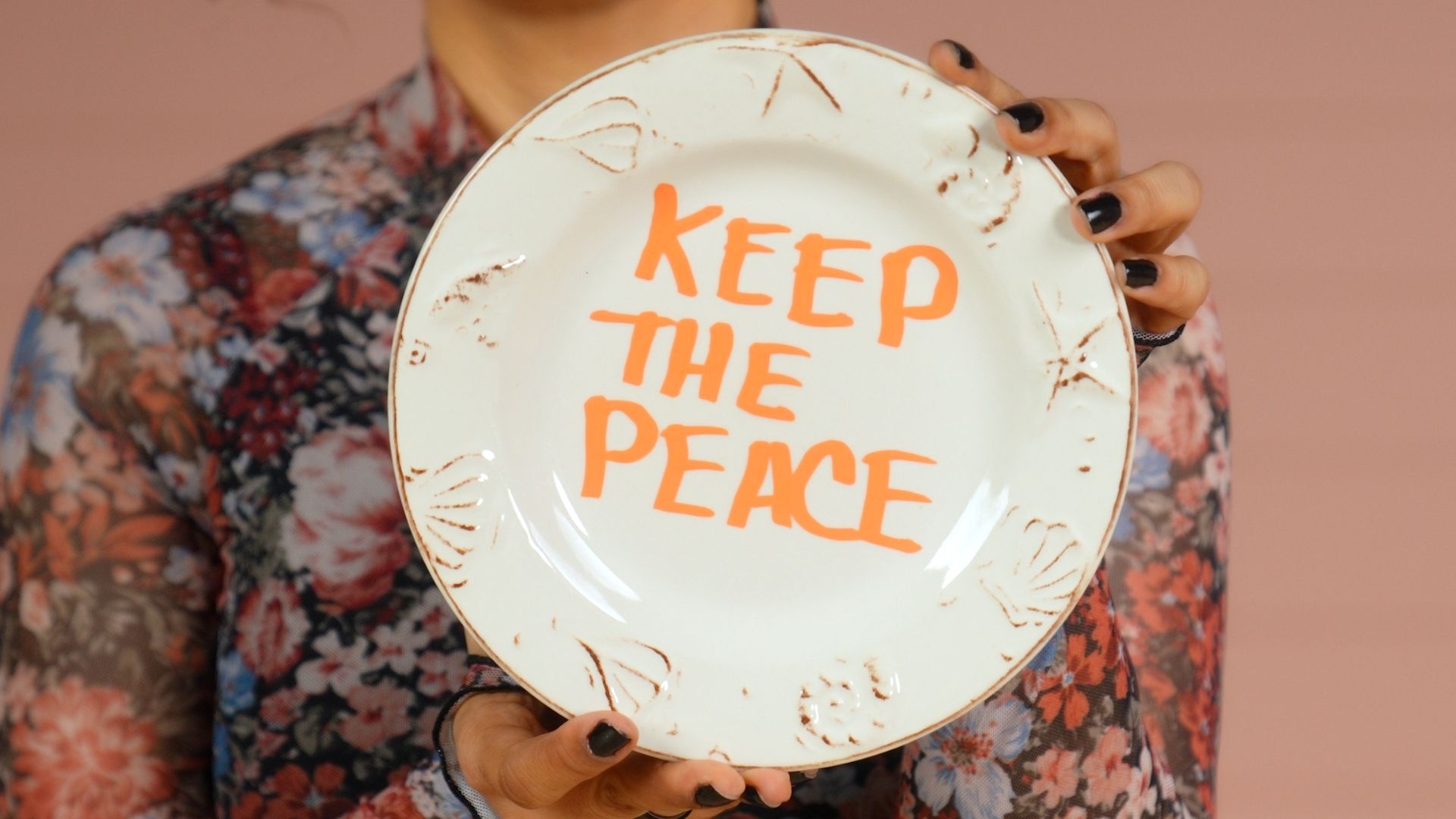
At home, I started writing. “Always last.” “Keep the peace.” “Stay small.” These were things I recognized in myself: making sure everybody else was okay, trying not to be difficult, feeling like I shouldn’t be too loud or take up too much space.
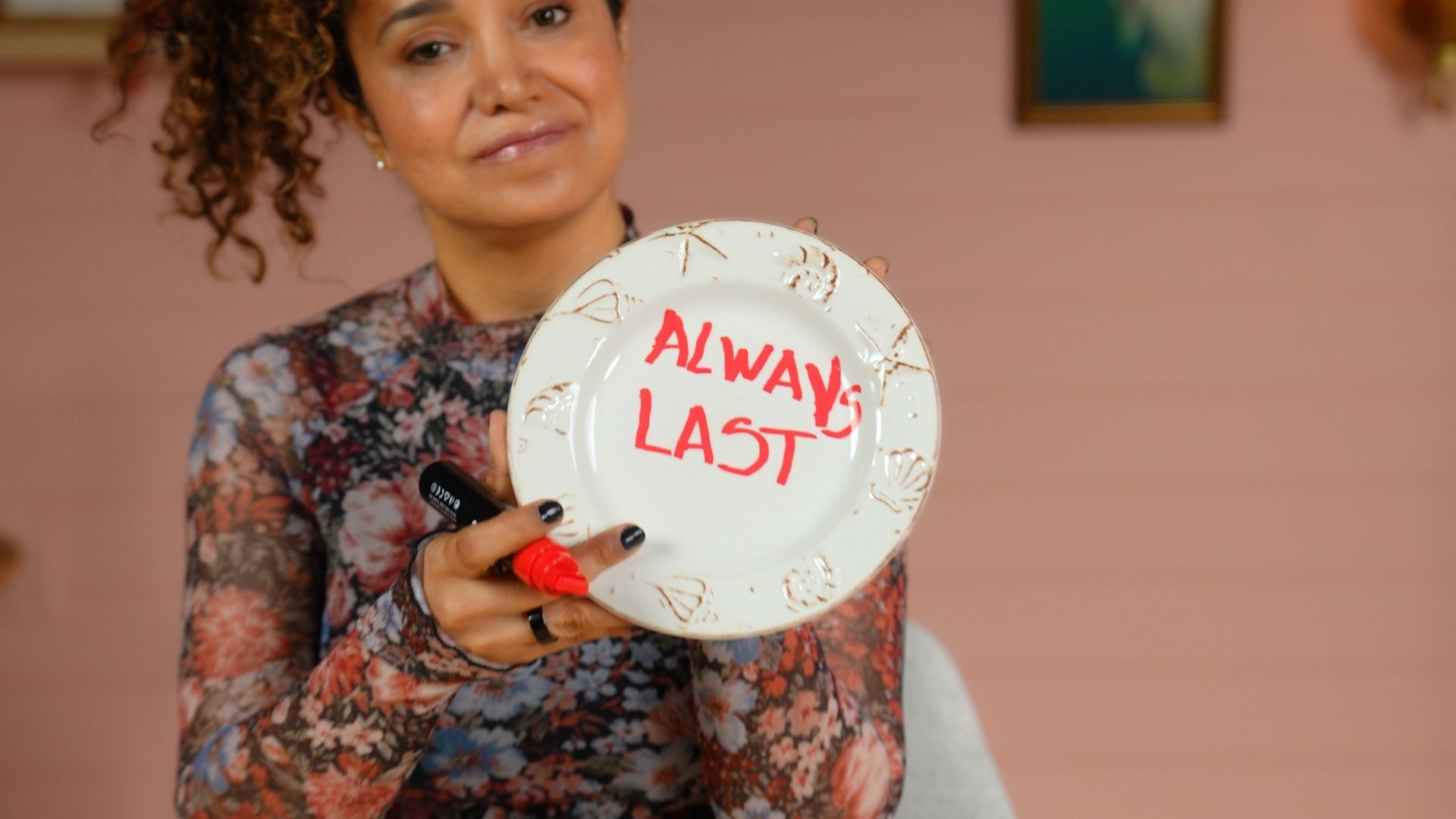
“Keep the peace” sounds like a good thing. I do want peace. But sometimes the way I keep it is by taking the inconvenience myself. I can handle it. I’m strong. I’ll deal with it. Then there’s another thing, and another thing, and I’m still the one carrying it.
Some of the objects carried memories that were harder to put into words. The music box reminded me of being a child who needed protecting, and of keeping something painful secret to protect other people. Its little tune made me think of innocence. That was a difficult one.
Then I wrapped everything and packed it very carefully. Apparently, even the things I was going to destroy needed to arrive in perfect condition.
I still like coloring inside the lines.
On the way there, I could feel the anxiety in my chest. I’m in my 40s, and I had never purposely broken something. Stephen asked what I thought would be difficult. I was having trouble finding a part that wouldn’t be.
At Wreck It Rage Room, I met Casey, the owner. She shared the very personal reasons she had started the business. Her openness meant a lot to me, and she encouraged me as she explained what we would be doing.
First came the paint room. I like an elaborate coloring book. I like color by numbers. There are lines. There is a place for the color to go. Here, making the mess was the activity.
Stephen was talking about movement and expression. I was still wondering what was wrong with the lines.
I gave it a chance. I wanted to surprise myself, to find out whether this might be fun. But I kept thinking about the person who would have to clean up after us. So I tried it. I didn’t like it. Please leave me with my coloring books.
Then I actually had to break something.
The paint was one thing. I still had a whole collection of dishes waiting for me. I’d chosen them, written on them, and wrapped them up. Now I had to do the part I’d been worrying about.
The first plate was a shock. Then, to my surprise, it was kind of fun. It felt like an act of rebellion. There was a little moment of: okay, I did that.
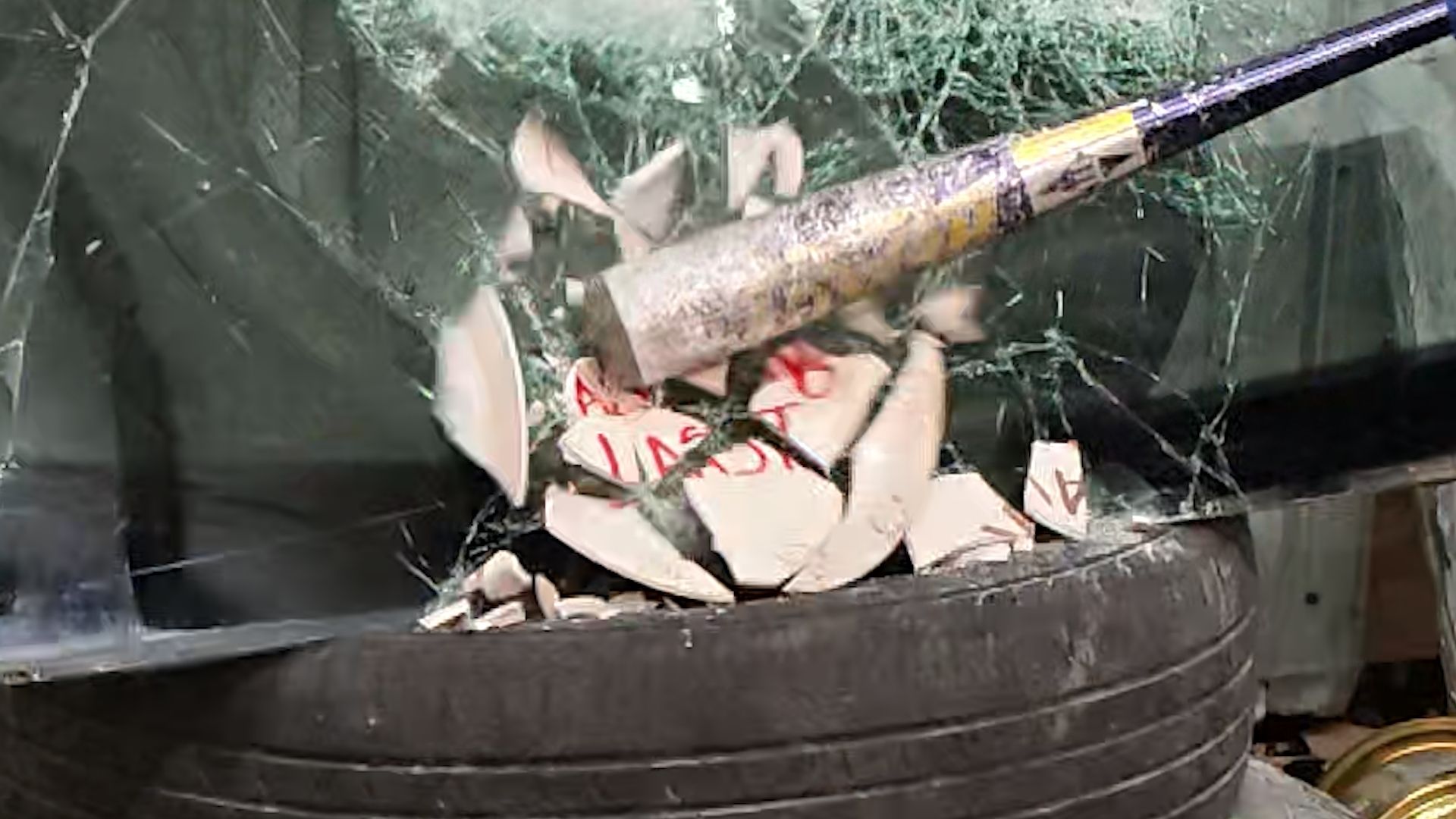
I tried to read the words and remember why I had brought each thing. Stay quiet. Stay small. I can’t trust myself. Those words had been making decisions for me for a long time. I didn’t want them doing that anymore.
And then there was my jar of f*cks I’m done giving.
I’d made a list of things I didn’t want to worry about anymore. What people thought of me. Whether I was too loud. Whether I was making somebody uncomfortable. There were probably another hundred things that could have gone into that jar.
Breaking that one felt rico. So good. I spend so much time trying not to take up space, worrying about other people’s reactions, making myself smaller. In that moment, I wanted to be done with it.
Everyone gets my best.
Then there were the things that were harder to explain with a joke. The mug said, “I’m fine.” The serving platter said this:
Everyone gets my best. I get what’s left.
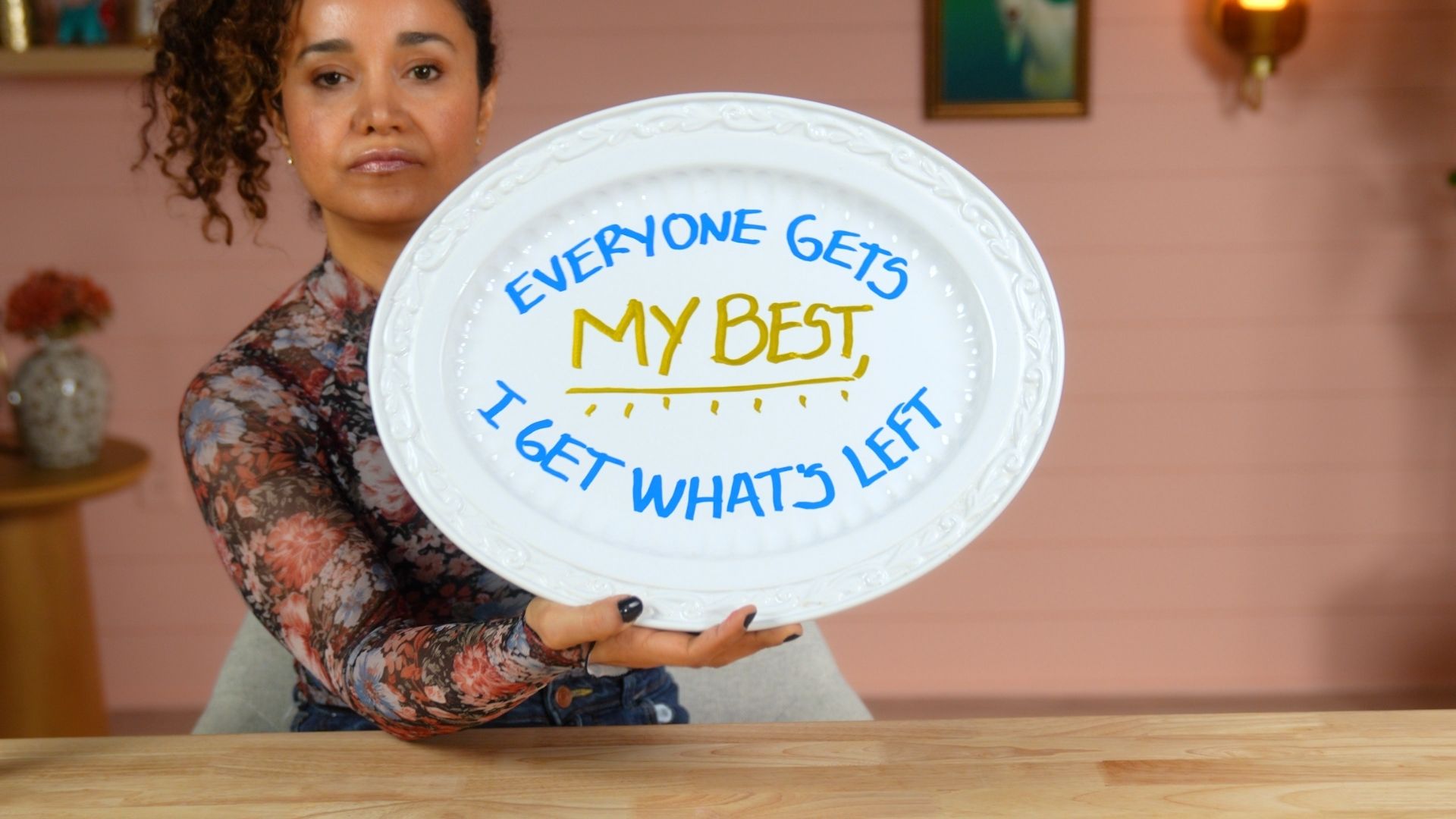
I think of myself as strong. If somebody has to be inconvenienced, I would rather it be me. I think I can take it. But that can turn into taking on more and more and still expecting myself to be okay.
I also know the feeling of walking into a place and thinking I don’t belong. That I can’t be loud. That I can’t take up space. I’ve talked myself out of opportunities because I believed those things. Seeing the words on something I could hold made them very personal. I knew what I meant when I wrote them.
The plate I wanted to take home.
When I was fifteen, I made a decision I wasn’t proud of. I’ve carried shame and guilt about it for years. I’ve gone through all the possible scenarios, all the things I could have done and didn’t do.
On this small plate, I wrote:
There was more to my story.
I wrote that because it can look like I had choices when I didn’t. But knowing that and letting myself put down the guilt were two different things.
I wanted to take the plate home. It felt almost like a punishment I deserved to keep. I had made myself the judge and decided that carrying shame for the rest of my life was the sentence. Part of me felt I didn’t deserve to let it go.
And then there was the question I didn’t know how to answer: who am I without it?
Breaking that plate was bittersweet. That’s the word I kept coming back to.
A little lighter. Also sad.
Back in the car, I was emotionally exhausted. Stephen asked how I felt, and I was still trying to explain it. I didn’t know if I’d completely let go of the things I’d wanted to leave there. I felt a little lighter. I also felt sad.
On the way there, I wanted to turn around because I was afraid to break the things. On the way home, part of me wanted to go back and get them. It felt like I’d left something behind and didn’t quite know myself without it.
And yes, I was still thinking about the people who had to clean up after me.
A little context: this is my experience of one afternoon. A 2024 research review found that activities that lower physical arousal reduced anger, while activities that raise it were ineffective overall. That research is about anger management; it doesn’t establish that a rage room heals trauma. For me, the answer that night was complicated: tired, sad, and a little lighter.
Where we tried it.
We filmed at Wreck It Rage Room in Durham, North Carolina, and tried both the paint room and the rage room. Visits are by appointment. If you want to bring your own breakables, check their current packages and FAQ first; they offer options for that. They also explain what to wear and provide protective equipment. Follow the staff’s instructions and posted rules.
If you’d like another afternoon with me, there’s also the 1950s date I tried to borrow from Hollywood. That one involved a picnic blanket and a squirrel. I’m apparently willing to make a mess in more than one way.
Dear Veronica,
You learned very young to be strong, to protect the people you loved, even when you were the one who needed protecting.
You carried secrets, guilt, and shame. You learned to suffer quietly, to put yourself last, and to carry more than anyone should have asked of you. And somewhere along the way, you started believing that carrying all of it was your responsibility.
But that little girl did the best she could with what she had.
You don’t have to spend the rest of your life punishing her for what she couldn’t change.
Love, Veronica.
What would you write on a plate before breaking it?
If you’d like to share, tell me in the YouTube comments. A few words are enough; you don’t have to explain the whole story.
A little more Veronica.
Let me send you a letter.
New things to try. Notes from the middle of it all. The bits that happen after the camera’s off.
A separate, optional hello. The Stories are here whether you subscribe or not.